ArtisDomus is a cultural strategy practice.
It advises owners independently of any gallery and turns artists’ estates, private collections, heritage properties and hospitality projects into structured, governed and financially sustainable vehicles.
Contents
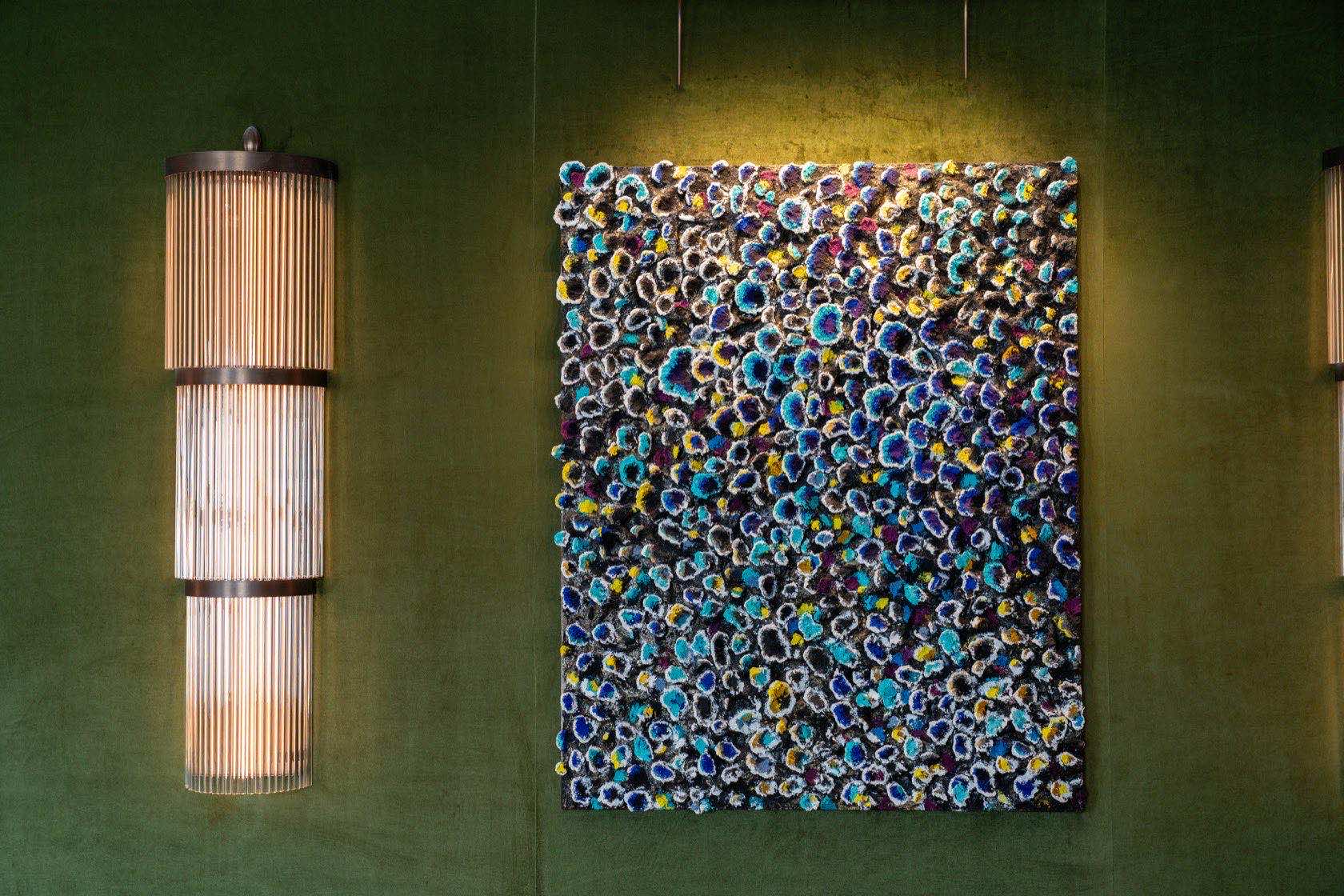
The distinction
Everything starts with the owner’s problem.
An art advisor buys objects. A curator arranges them. A decorator fills the walls. This practice starts with the owner’s problem and uses culture to solve it, so the work begins before anything is bought.
An interior designer builds the interior and then fits works into it. A collection works the other way round. First you decide what it should mean, and then you shape the space around it.
What this practice does not do
ArtisDomus turns down five kinds of paid work.
- No brief to find a single work. Finding one picture is a transaction. The practice is hired for the whole structure the picture sits in, or not at all.
- No resale brokerage. That market is crowded and the margins are thin. The practice would add nothing to it.
- No decoration. Filling a wall to a budget and a delivery date is a different business, done well by people who do only that.
- No commission from a seller, in any form. No rebate, no discount kept back, no introducer’s fee. Only the owner pays.
- No work whose reputational risks cannot be checked. Deciding whom to refuse is part of the job.
Clients can see these limits before the first conversation, and hold the practice to them afterwards.
How an art advisor is paid, and where the conflicts sit · Reference. What auction houses publish, what advisors keep to themselves, and what the fourth refusal above removes.
About the practice · What the practice is for, the four roles and who pays each one, and who does the work.
Practice areas
Each area is named after the question that brings an owner here.
People who make these decisions search in the language of deals, law and operations. Few of them type cultural strategist into a search box.
“Every competitor claims art and culture. What actually makes ours different, and how early does it have to start?”
Collections and cultural programmes for developments, hotels, members’ clubs and public spaces. Developers, hotel groups, club operators 02Luxury and brands“We fund a dozen cultural things and I cannot explain why.”
Cultural strategy, artist collaborations and partnership structures for maisons and groups. Maisons, groups and their foundations 03Private capital and collections“Decades of buying have produced something that behaves like an institution but is owned personally.”
Governance, acquisition policy and collection strategy for families and their offices. Families, single-family offices, private banks 04Foundations and legacy“The founder is gone and the board does not know what the collection is for any more.”
Succession strategy for artists’ estates, whether to set up a foundation, and partnerships with institutions. Artists’ estates, boards and trustees
Method
A written argument comes before any purchase.
The argument is called the thesis. It says what the place has to mean, to whom, and why each work is there. A collection built without one is decoration with a larger invoice.
- Understand the owner and the place. Who owns it, who it is for, and who will actually be in the room.
- Map the field. Museums, foundations, collectors, galleries and artists who can carry the project.
- Write the thesis. What the collection has to say, and what to leave out so that it can say it.
- Place each work. Every work has its place and a stated reason for being there.
- Programme and activate. A collection earns its keep through what happens around it.
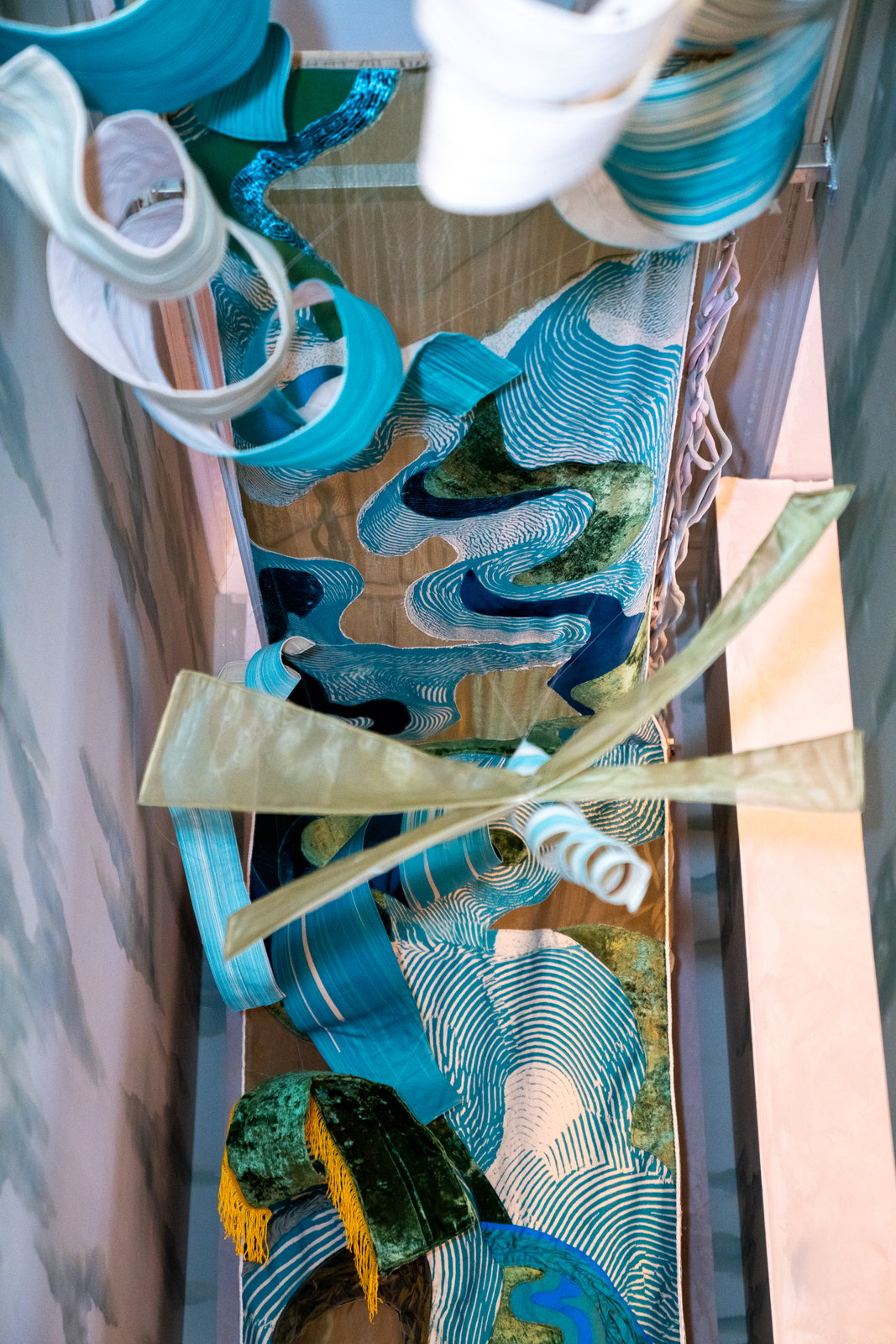
Each candidate work is scored against weighted criteria set for the project. They cover the artist’s record with institutions and their upcoming museum programme. They also cover whether the gallery is ready to build a shared programme, the price compared with similar artists, and whether the work could be replaced within the collection.
Acquisition policy · Glossary. What the UK museum accreditation standard says such a policy must contain, and who has to approve it.
The approach, phase by phase · Four phases, the checks made on every work before payment, and the document each phase ends with.
Independence
Only the owner pays the practice.
No commission is taken from galleries, and no discount is kept back. Every term negotiated for the owner is passed on in full and disclosed in writing. Better terms buy more work, and the fee stays the same.
This matters because, in this field, the person who recommends a purchase often gets a share of it back. That is the conflict of interest. It decides what gets bought long before anyone talks about meaning.
Discounts belong to the client, and the contract has to say so · Reference. The five clauses the practice writes into an engagement letter, and what a gallery invoice does not show.
The person
Polina Surina founded the practice and leads every engagement.
She reads and answers every enquiry herself, and her name is on the written work each decision rests on. This also sets a limit: the practice takes on only as many engagements as one person can lead.
She advises in Paris, Malta, the United Kingdom, Qatar and the Gulf.
Polina Surina, founder · Her background, her training and how she works. Qualifications and competencies · Her doctorate, her training in real estate and the art market, and what she advises on in each area.
Artists
Education, public collections and exhibitions, artist by artist.
Each artist page is a working document. It lets someone who was not in the room check a recommendation.
Albano Hernández b. 1988
Cambridge
Royal College of Art, London, MA Painting
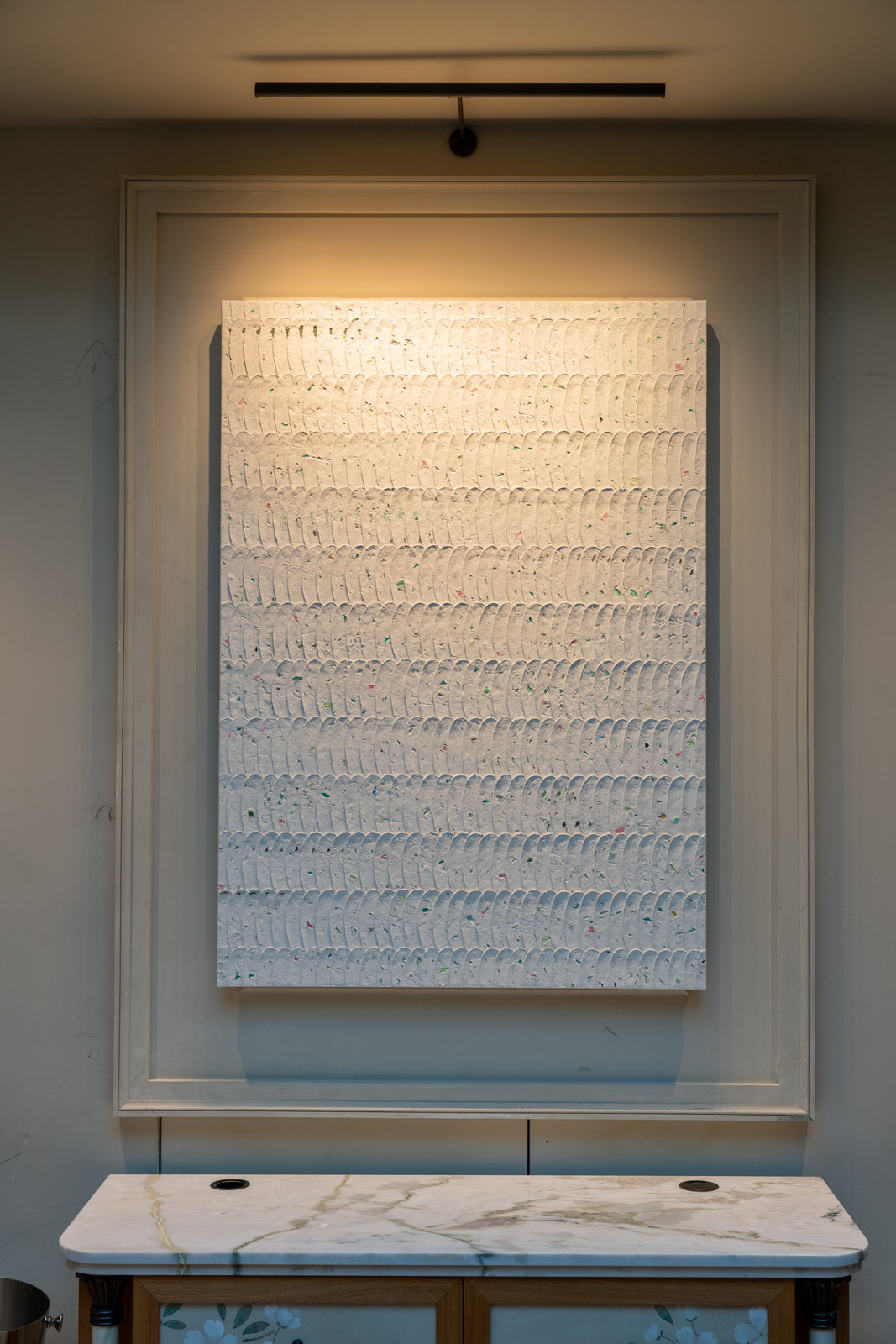
Benjamin Spiers b. 1972
London
Goldsmiths, London, under Peter Doig

Berta Fischer
Berlin
Skulpturenpark Waldfrieden, Germany

Pia Camil
–
Museo de Arte Carrillo Gil, Mexico
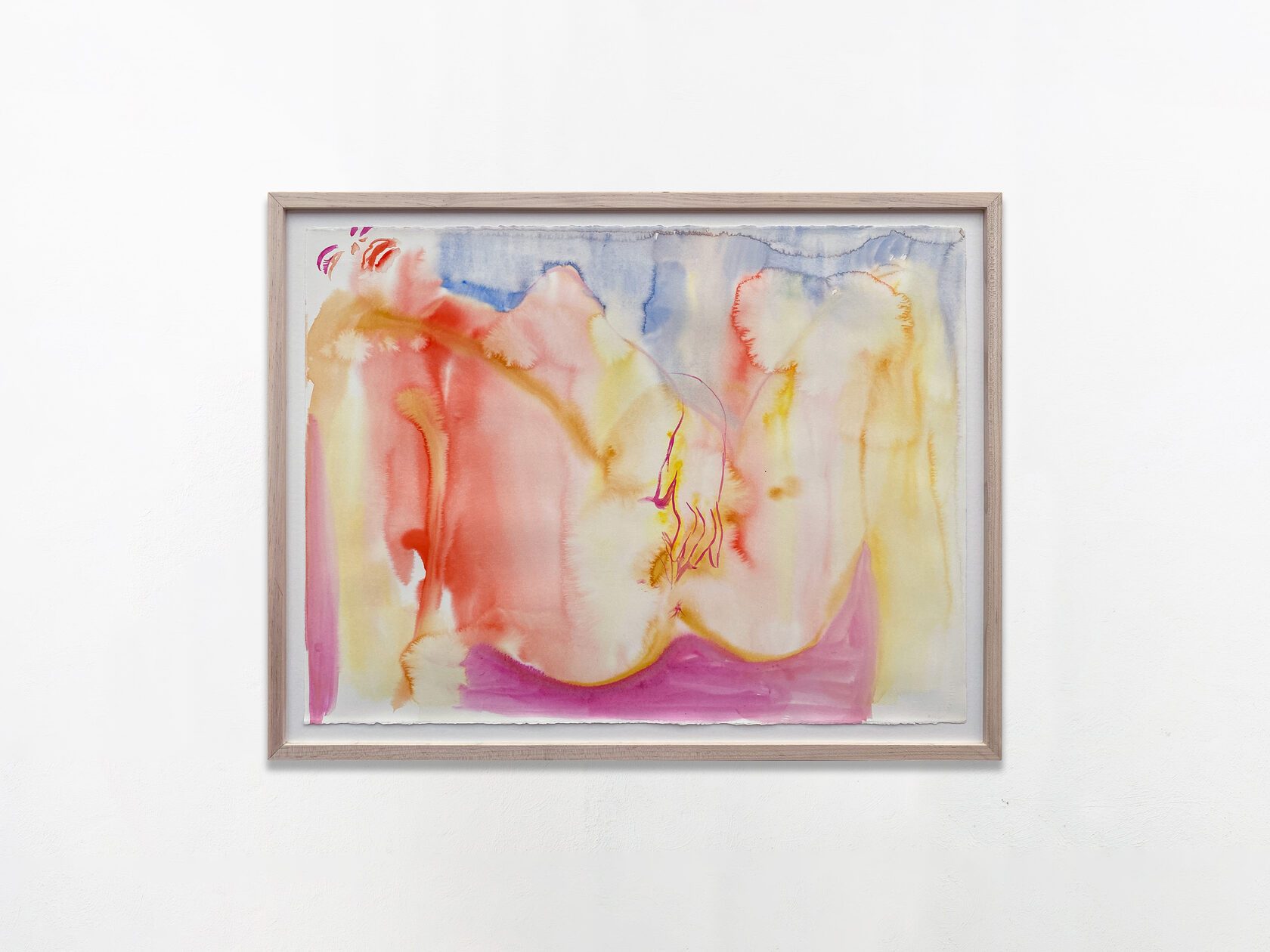
Daniel Knorr b. 1968
Berlin and Hong Kong
Pinakothek der Moderne, Munich

Eliška Konečná
Prague
Kunsthaus Hamburg, Germany
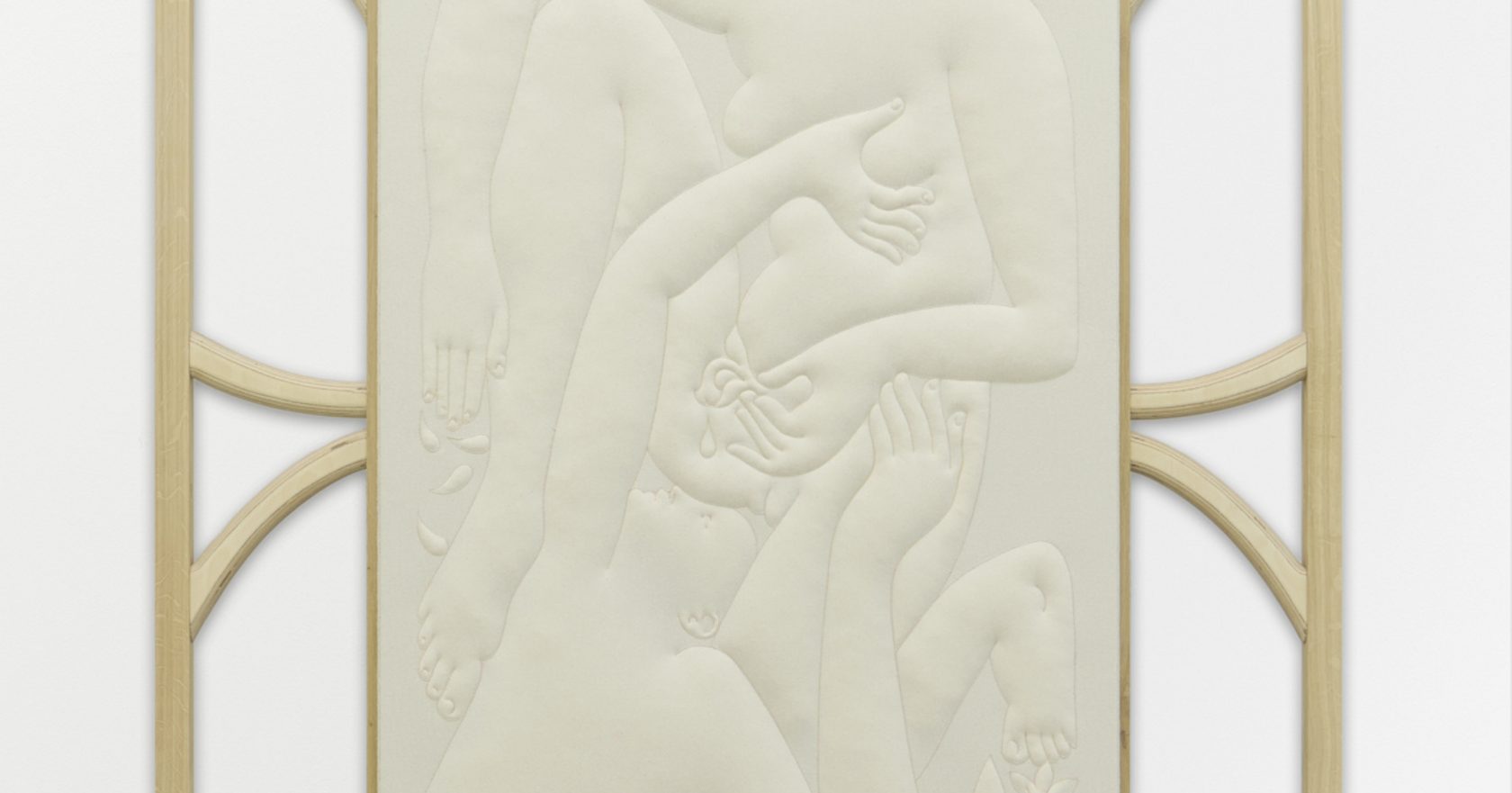
Pavel Dušek b. 1992
–
Academy of Fine Arts, Prague
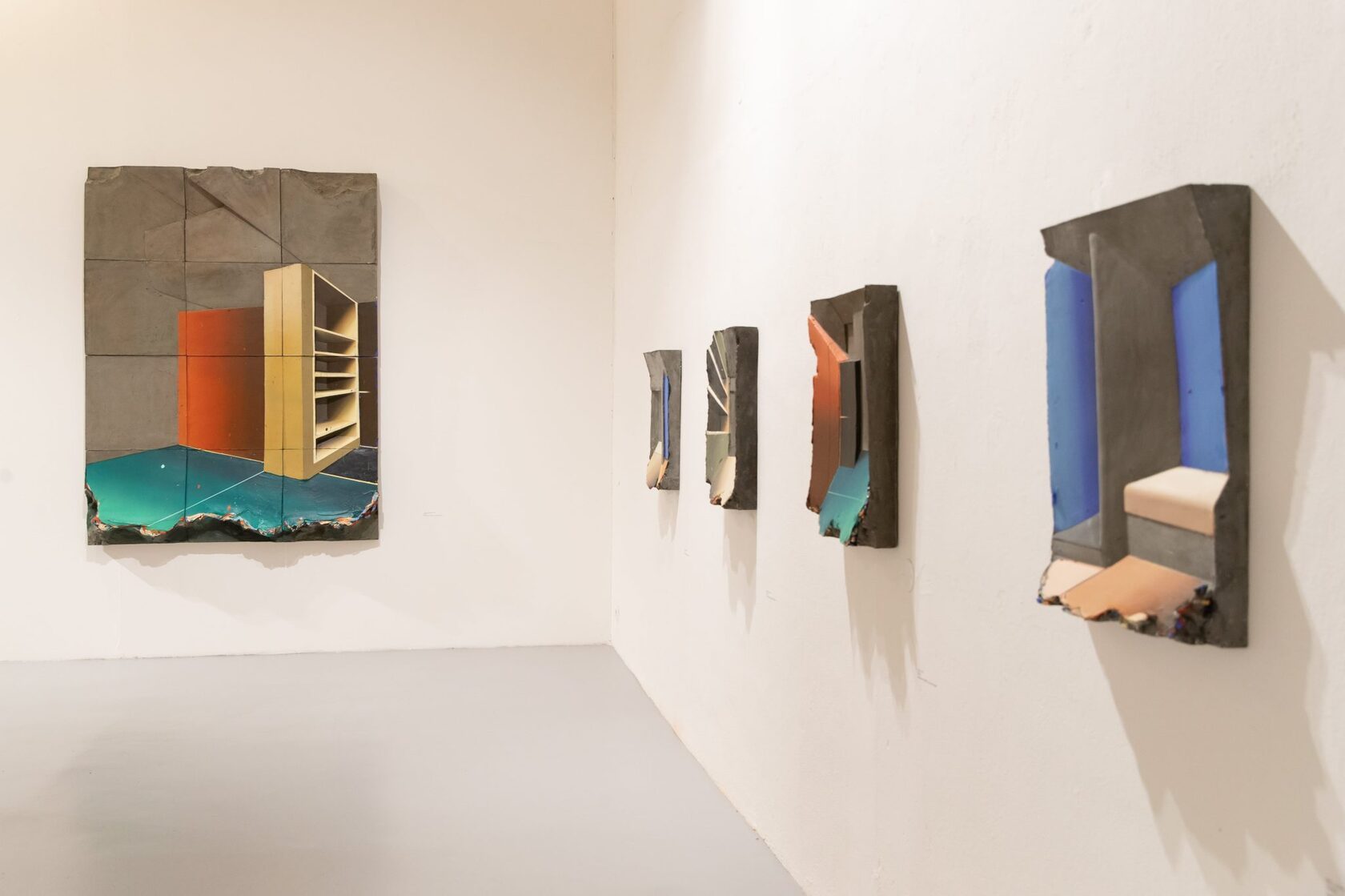
Romain Cadilhon b. 1984
Athens
Bernier/Eliades, Brussels
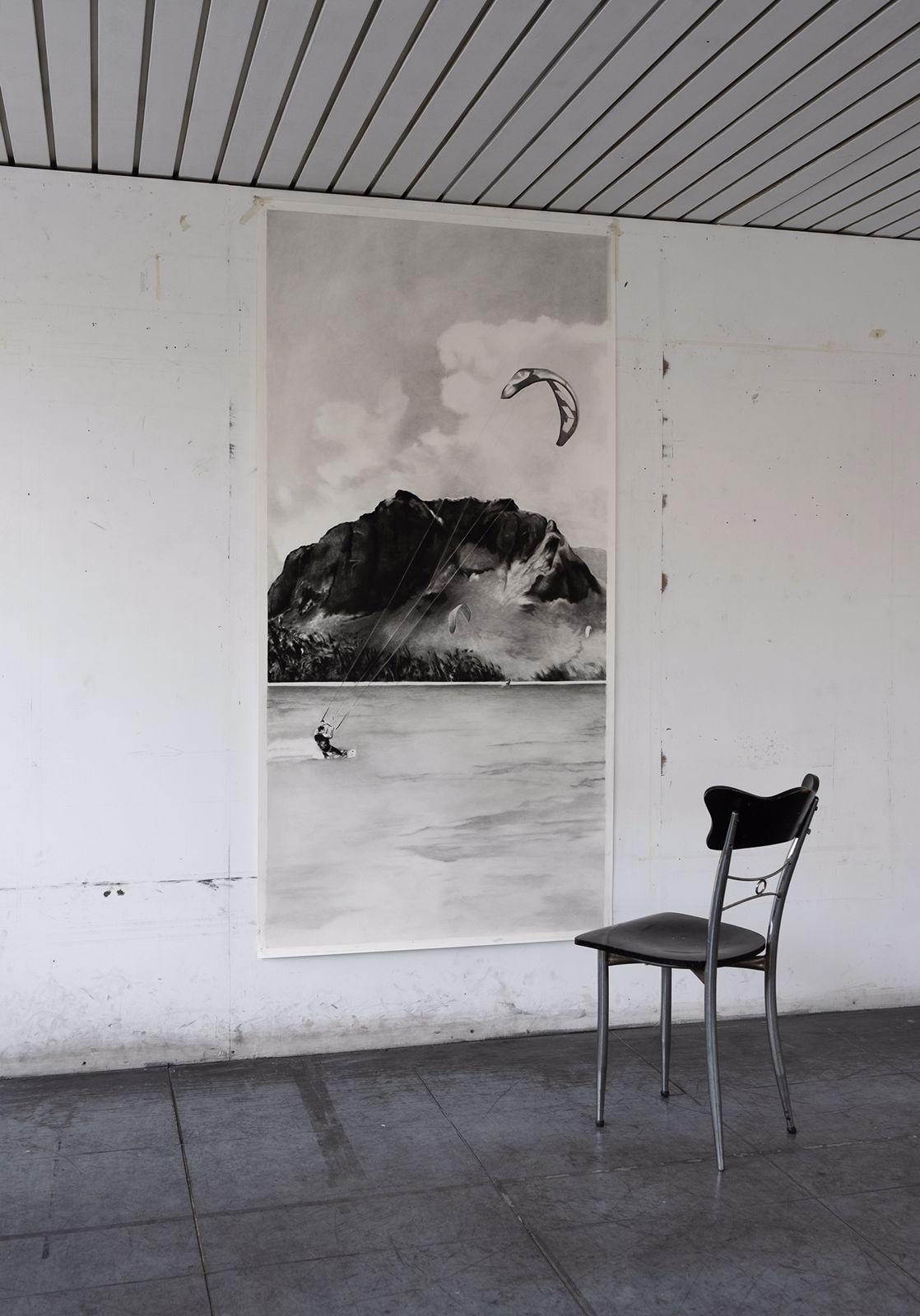
Ryan Gander b. 1976
Suffolk and London
Rijksakademie, Amsterdam; Jan van Eyck, Maastricht
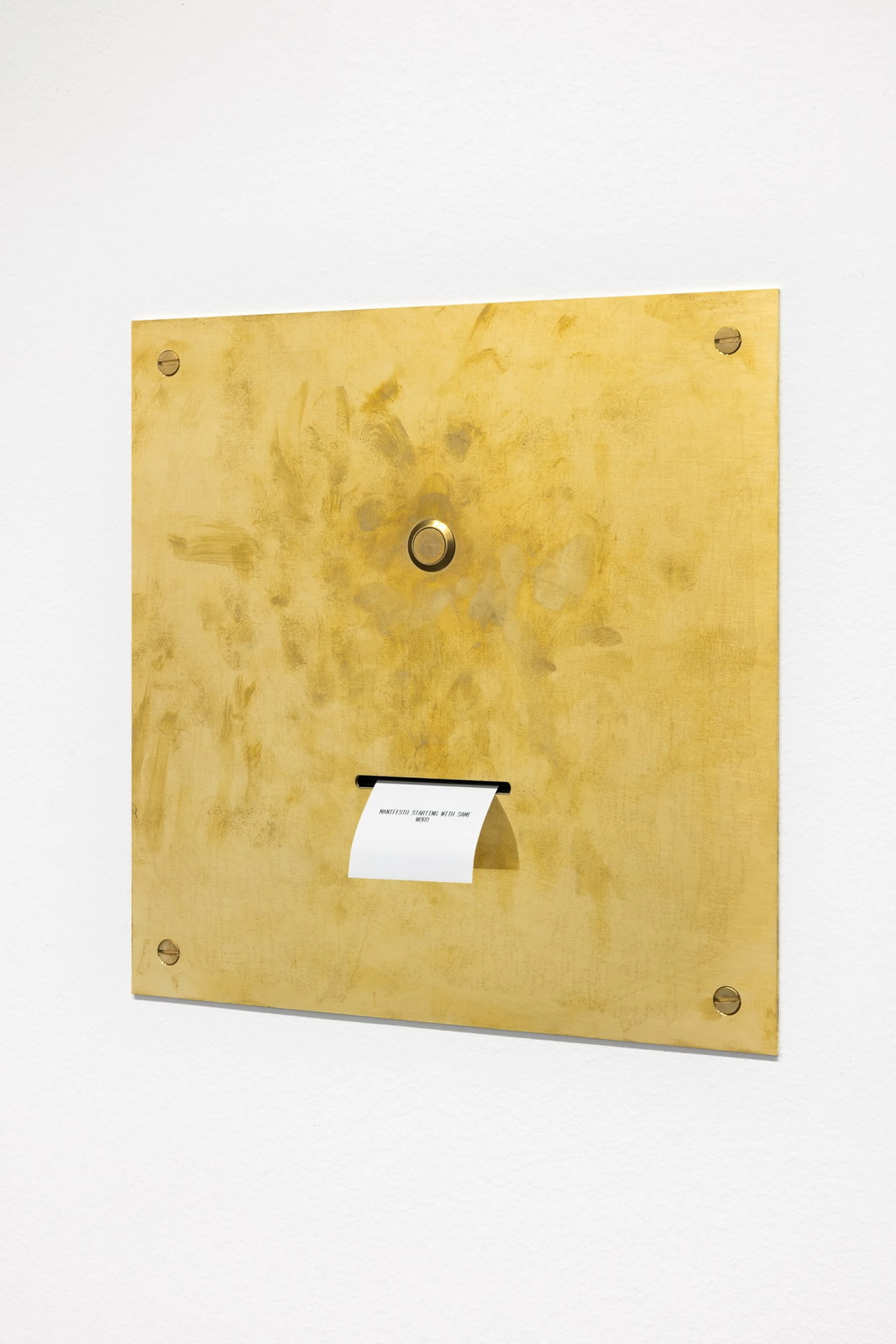
Manifesto starting with same word.
Will St. John
New York City
American Academy in Rome

Recent work
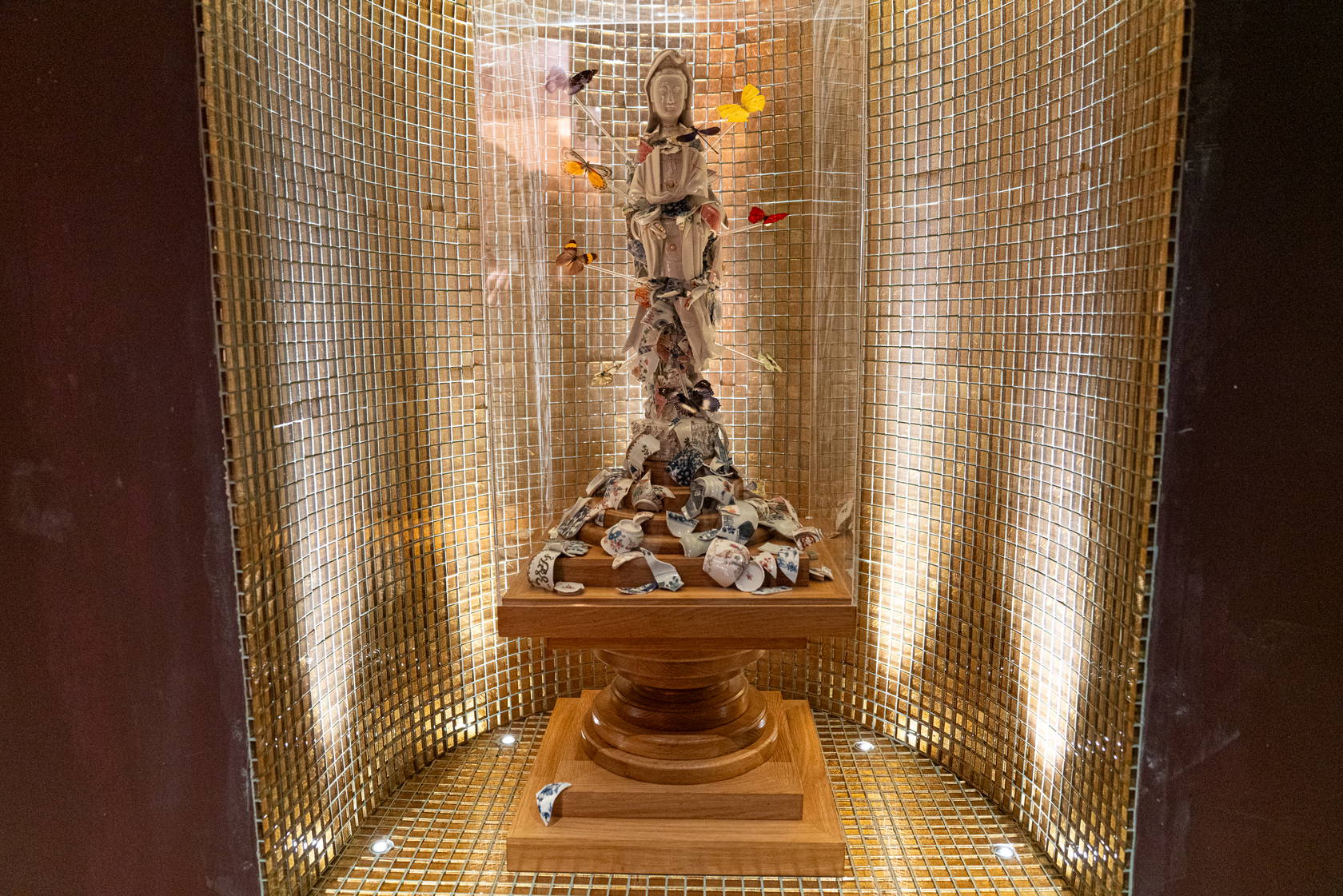
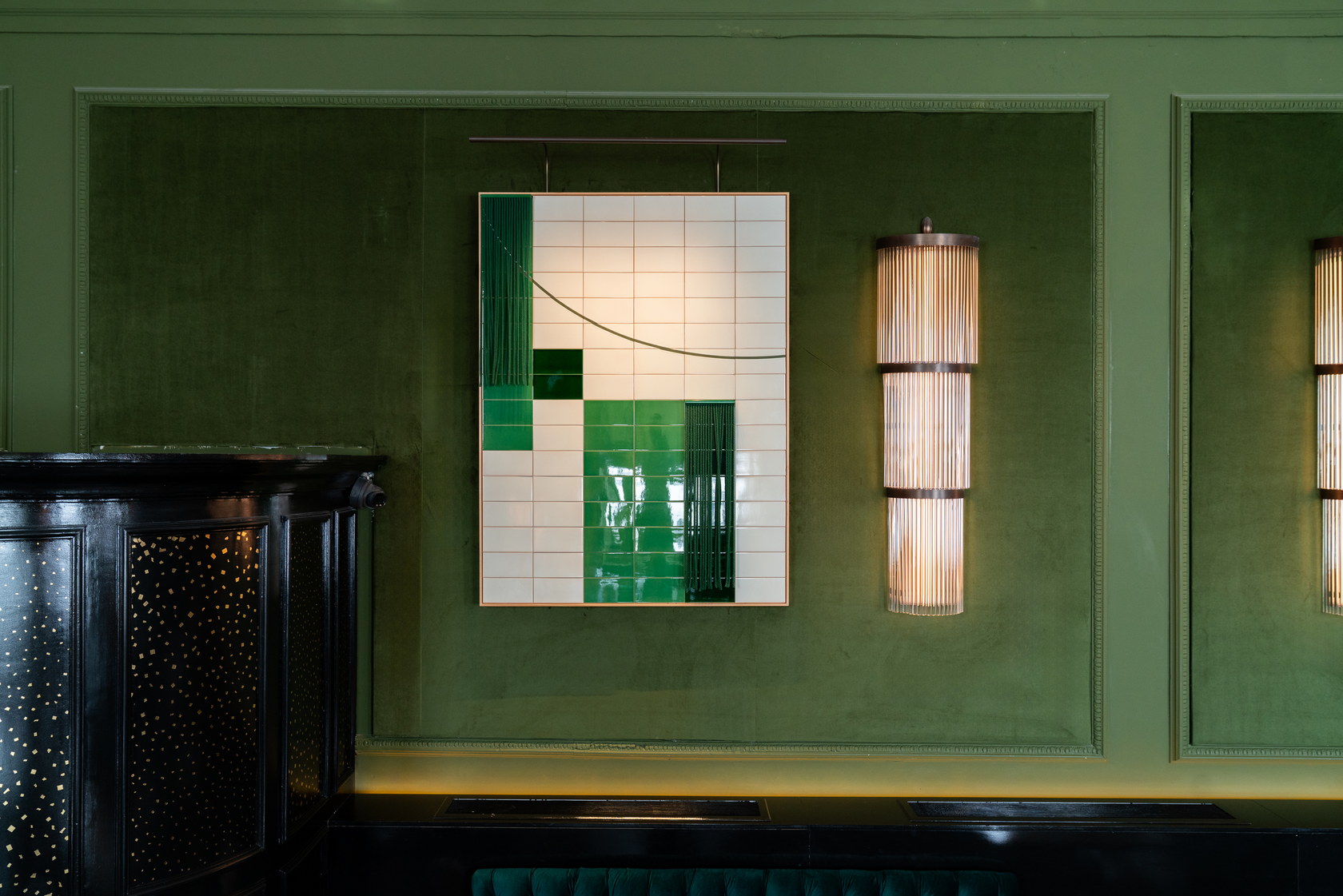
Polina Surina co-curated the collection at AKI, One Cavendish Square.
“…curated by Dr Polina Surina and Virginie Puertolas Syn”
House of Coco on the AKI collection, 17 October 2025.
- Asset
- AKI, One Cavendish Square, London: a restaurant in a Grade II listed former banking hall.
- Scope
- Art direction and co-curation of the collection, with works commissioned for the site.
- Selection
- Nine works chosen from roughly one hundred candidates.
- Outcome
- The engagement was renewed the following year for a brand activation.
AKI, One Cavendish Square · Case study. The engagement, the two works made for AKI and fourteen photographs of the works in place.
The other engagement
Collection and spatial strategy for a private members’ club in Malta.
- Asset
- The Arbour, Malta: a private members’ club.
- Scope
- Collection and spatial strategy.
Reference library
The library is organised by the questions readers bring.
The library holds 50 entries across the four practice areas: foundations and legacy 15, luxury and brands 8, private capital and collections 23, real estate and hospitality 8.
Every page, with its address · Contents. The four areas, the artist pages and the French edition, with their addresses.
Contact
Enquiries by email.
hello@Write to the practiceOr read the library first
Advising in Paris, Malta, the United Kingdom, Qatar and the GCC. The working language is English, with Arabic to follow.
Contact · What to put in a first message, and what happens next.